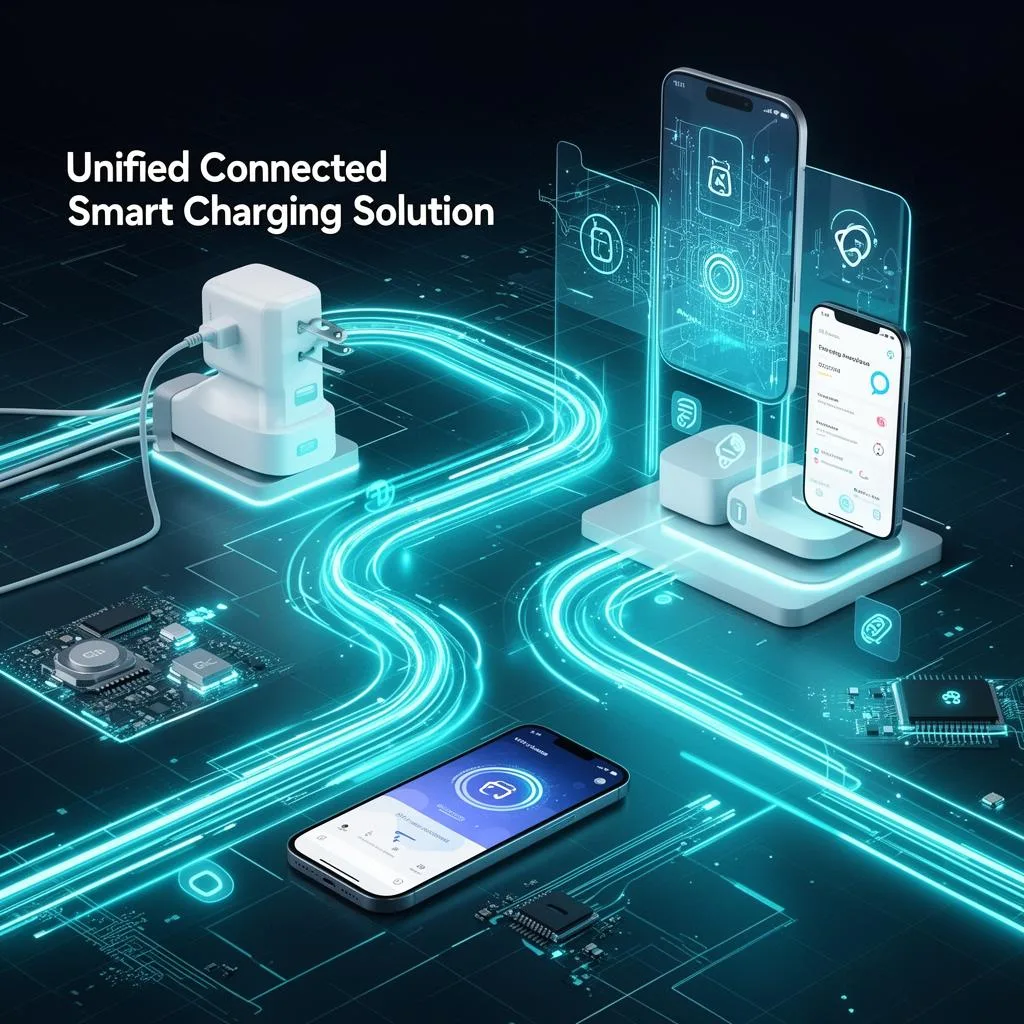
Unified Bharat eCharge — UPI Roaming Lands, and Interoperability Becomes Table Stakes
In August 2026 the first certified technology enablers began onboarding chargers to Unified Bharat eCharge (UBC) — the interoperable national charging network launched by the Ministry of Heavy Industries with BHEL and NPCI. One enabler alone connected over 10,000 chargers. Drivers discover a UBC charger in the BHIM app, scan the QR and pay straight from their bank account over UPI.
What UBC actually fixes
India's charging market has been fragmented into app silos: a driver needed six apps and six prepaid balances to cross a state. UBC attacks discovery and payment at the national layer. It is, functionally, UPI's playbook applied to charging — and UPI's history suggests networks that stay outside an interoperable rail lose.
Why this is an existential question for small CPOs
If your chargers are not discoverable and payable through a common rail, you are invisible to any driver who does not already have your app. A twelve-charger regional network cannot win a national app war. It can absolutely win by being on every rail that matters.
UBC, OCPP and OCPI are not the same thing
OCPP connects the charger to the management system. OCPI connects one operator's network to another's for roaming. UBC is a national discovery-and-payment layer riding on top. You need all three, and the first is the prerequisite: without a proper OCPP 2.0.1 stack, the rest is guesswork.
The settlement question nobody asks early enough
Roaming is easy to demo and hard to reconcile. When a driver charges on your gun and pays through someone else's rail, you need session-accurate metering, transparent tariff propagation and a settlement trail you can audit monthly. Our CSMS was built for this: every session is metered, timestamped and reconcilable, and partners see the same ledger we do.
What our partners get by default
Native OCPP 2.0.1, roaming-ready architecture, UPI QR payment at the charger, RFID, Autocharge and number-plate whitelisting, plus transparent billing with zero franchise commission on charging revenue. A partner does not have to track protocol politics — they inherit the integrations.
The strategic read
Interoperability commoditises discovery. When every charger is equally findable, the winners are decided by uptime, siting and speed — exactly the three things a well-run network controls. That is a better competitive environment for a disciplined operator, not a worse one.
Build on the right rails
Partner with PixellEnergy or submit your site and put your capital behind hardware and software that are already standards-native.
Sources & References
- Pulse Energy onboards 10,000 EV chargers to Unified Bharat eCharge — ET Auto / Economic Times, Aug 2026
- BHIM / UPI payment infrastructure — National Payments Corporation of India
- Open Charge Point Protocol (OCPP) specifications — Open Charge Alliance
- Open Charge Point Interface (OCPI) specification — EVRoaming Foundation
Figures cited are as published by the sources above on their stated dates. Policy quantum, caps and tariffs change — verify with the relevant nodal agency or utility before committing capital.
Partner with PixellEnergy
Turnkey EV charging station setup starting at ₹15 lakhs. Zero CPO commission on your revenue.
2026 South India EV Charging Subsidy Guide
KSEB, BESCOM, TNPDCL & TGSPDCL approvals, subsidies & installation costs — free download.